Source Silver Chain Necklace Extender for Jewelry Making
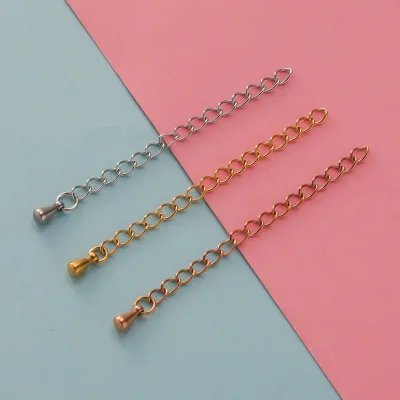
Find a silver chain necklace extender for 30 available items. Compare materials like sterling silver and stainless steel, plating options, and chain types to source the right jewelry findings for your needs; compare the available evidence and request quotations based on your requirements.
Key considerations
Products List


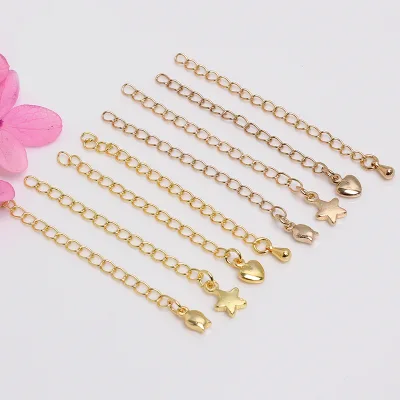
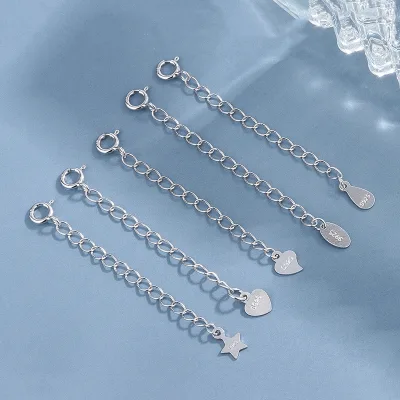
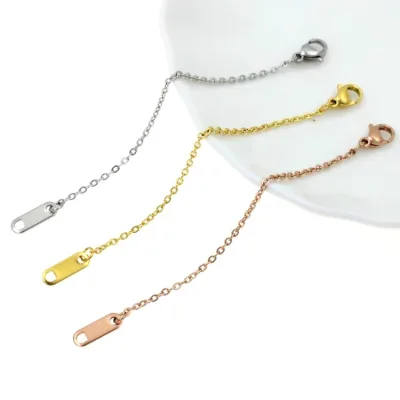
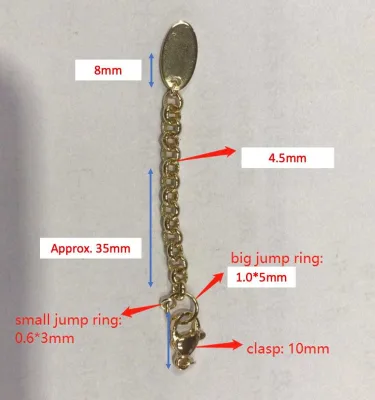
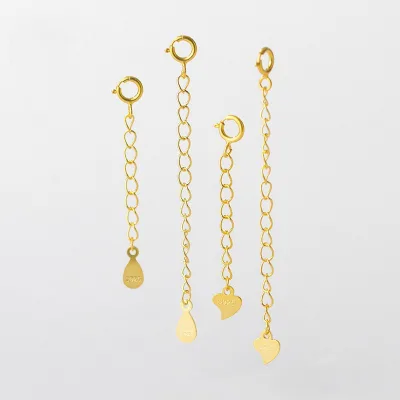
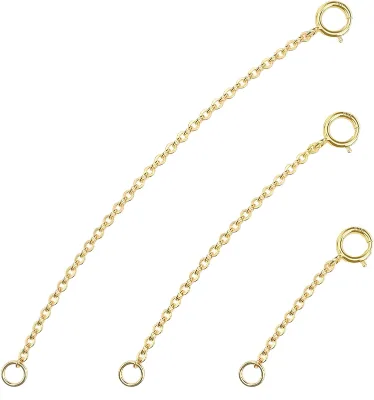


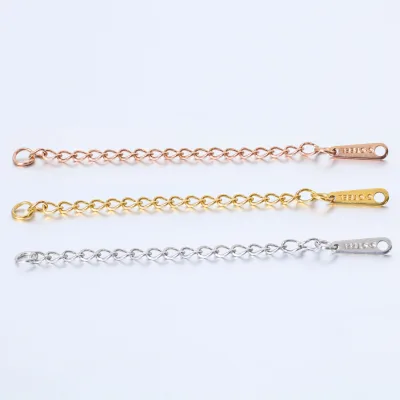


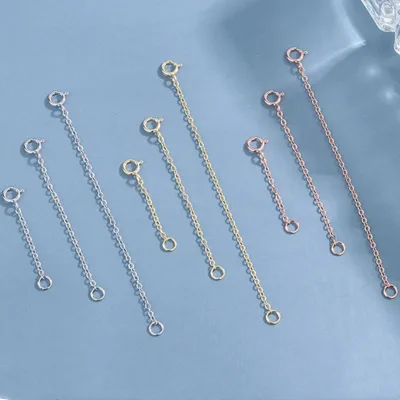



Comprehensive Sourcing Guide
Silver Chain Necklace Extender Sourcing Guide
Sourcing silver chain necklace extenders requires a nuanced understanding of both aesthetic versatility and functional durability. These components serve as critical finishing elements in jewelry assembly, allowing for adjustable fit and enhanced design complexity. Buyers must distinguish between simple extension chains and those integrated with specific clasps or decorative pendants. The market offers a wide array of materials, from pure sterling silver to gold-plated stainless steel, each presenting distinct maintenance and cost profiles. Understanding these material differences is the first step in selecting the right supplier for your specific product line.
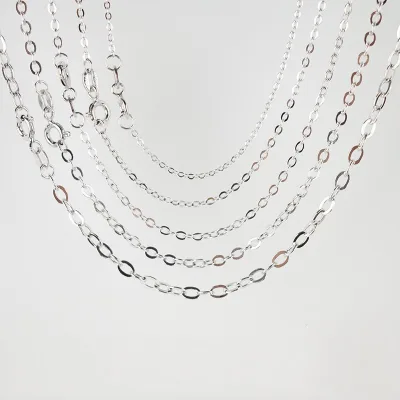
The procurement process involves evaluating multiple variables, including chain style, plating quality, and packaging standards. Observed listings indicate a strong presence of cubic zirconia accessories and various chain types such as cable, ball, and rope chains. These variations cater to different market segments, from minimalist everyday wear to more ornate statement pieces. Buyers should focus on suppliers who provide clear specifications for each variant, ensuring that the selected extender aligns with the intended use case. This alignment prevents mismatches between supplier capabilities and brand requirements, streamlining the sourcing workflow.
Product Scope and Observed Listing Signals
The current market landscape for silver chain necklace extenders is characterized by a diverse range of product attributes and customization options. Listings frequently highlight materials such as 925 sterling silver and stainless steel, often finished with silver, rose gold, or gold plating. These finishes are crucial for meeting consumer preferences for color variety and tarnish resistance. Additionally, many suppliers offer customization services, allowing buyers to tailor chain lengths and clasp types to their specific design needs. This flexibility is particularly valuable for brands seeking unique selling propositions in a crowded market.
Observed product models include cable chains, ball chains, and rope chains, each offering distinct visual and tactile qualities. The presence of specific models like "WL" and "JCX 0276" suggests a standardized yet varied inventory among suppliers. Packaging details, such as 1PC/Bag or 100 Pcs/batch, indicate varying levels of bulk handling efficiency. Buyers should note that some products are marketed as simple decorations, while others are positioned as essential jewelry findings. This distinction impacts how the product is perceived and priced, influencing the final retail strategy for the end consumer.
Technical Specifications to Verify
Verifying technical specifications is paramount to ensuring product quality and consistency. Buyers must confirm the exact material composition, particularly for silver products, to ensure they meet the 925 sterling silver standard. Plating thickness and durability are also critical, especially for gold or rose gold finishes, which can wear off over time. Chain styles such as cable, ball, and rope chains have different structural integrity levels, affecting their suitability for heavy pendants or delicate necklaces. Suppliers should provide detailed specifications for each chain type, including diameter and link construction, to help buyers make informed decisions.
Length and clasp types are other essential technical parameters. Standard lengths like 16" and 18" are common, but custom lengths may be required for specific designs. Clasp options, including spring, lobster, and square clasps, vary in security and ease of use. Buyers should verify the compatibility of these clasps with their existing jewelry components. Additionally, package dimensions and gross weights, such as 5X5X2 cm and 0.050 kg per batch, are important for logistics planning. Accurate specifications prevent unexpected costs and delays in the supply chain, ensuring smooth operations from order to delivery.
Compliance and Safety Documentation
Compliance with international safety standards is non-negotiable for jewelry products, especially those intended for direct skin contact. Buyers must ensure that suppliers provide documentation confirming the absence of harmful substances like lead, nickel, and cadmium. For silver products, certification of the 925 sterling silver content is essential to avoid misrepresentation claims. Plating materials should also be verified for compliance with relevant regulations, such as REACH in Europe or CPSIA in the United States. These certifications protect brands from legal liabilities and enhance consumer trust in product safety.
Beyond material safety, buyers should inquire about quality control processes and testing protocols. Suppliers should have established procedures for inspecting chain integrity, clasp functionality, and plating adhesion. Documentation of these processes, including third-party test reports, adds credibility to the supplier’s claims. Buyers should also verify that the products meet any specific regional standards applicable to their target markets. This proactive approach to compliance minimizes the risk of product recalls and ensures that the jewelry meets the highest safety and quality benchmarks.
Cost Drivers and Commercial Terms
Several factors influence the cost of silver chain necklace extenders, including material prices, plating complexity, and order volume. Sterling silver and gold-plated options typically command higher prices due to the cost of raw materials and processing. Stainless steel alternatives may offer a more budget-friendly option without compromising on durability. Buyers should negotiate based on volume discounts, as observed MOQs range from 1 to 3000 pieces. Larger orders often result in lower per-unit costs, making them attractive for established brands with consistent demand.
Commercial terms such as payment methods, lead times, and shipping arrangements also impact the overall cost. Buyers should clarify these terms early in the negotiation process to avoid hidden fees or delays. Packaging costs, whether for individual bags or bulk batches, should be included in the total cost analysis. Additionally, customization fees for specific chain styles or clasp types may apply. Understanding these cost drivers allows buyers to budget accurately and select suppliers that offer the best value for their specific procurement needs.
Supplier Qualification and Quality Control
Selecting the right supplier involves rigorous qualification and quality control checks. Buyers should verify the supplier’s production capabilities, including their ability to handle various chain styles and plating finishes. Experience in exporting to your target market is a valuable indicator of reliability and compliance awareness. Requesting samples is essential to assess product quality firsthand, paying close attention to chain strength, clasp security, and finish consistency. Suppliers who provide detailed product information and responsive communication are often more reliable partners.
Quality control processes should be clearly defined and agreed upon before placing orders. Buyers should establish acceptance criteria for defects, such as broken links, tarnishing, or incorrect plating. Regular audits or third-party inspections can help maintain quality standards throughout the production process. Suppliers with robust QC systems are better equipped to handle large orders and maintain consistency. Building a strong relationship with a qualified supplier ensures a steady supply of high-quality silver chain necklace extenders, supporting your brand’s reputation for excellence.
Long-Term Procurement Checks
Long-term procurement success depends on continuous monitoring and relationship management. Buyers should regularly review supplier performance metrics, including on-time delivery rates, product quality, and responsiveness to issues. Establishing a feedback loop with suppliers helps identify areas for improvement and fosters collaboration. Periodic re-evaluation of supplier qualifications ensures that they continue to meet your evolving needs and compliance requirements. This proactive approach minimizes disruptions and maintains a stable supply chain.
Additionally, buyers should stay informed about market trends and technological advancements in jewelry manufacturing. New materials or plating techniques may offer improved durability or aesthetic appeal. Engaging with suppliers about these innovations can lead to product enhancements and competitive advantages. Regularly updating your supplier base with new, qualified partners can also mitigate risks associated with over-reliance on a single source. By maintaining a dynamic and well-managed procurement strategy, buyers can ensure long-term success in the silver chain necklace extender market.
FAQs
What materials are used for silver chain necklace extenders?
Silver chain necklace extenders are commonly made from 925 Sterling Silver, Stainless Steel, or Gold Plated materials. Some options feature Cubic Zirconia accessories for added decoration. Buyers can choose between solid silver or plated finishes depending on their budget and durability needs.
Which clasp types are available for these silver chain extenders?
Available clasp types include Spring Clasp, Lobster Clasp, and Square Clasp options. These mechanisms ensure secure attachment to existing necklaces. The specific clasp style often depends on the chain model selected, such as cable, ball, or rope chain variations offered by suppliers.
Can I customize the length of the silver chain necklace extender?
Yes, customization is available for many silver chain necklace extender models. Standard lengths often include 16 inches and 18 inches, with other sizes like 5cm, 10cm, or 15cm designs also offered. Buyers should confirm specific length requirements with the manufacturer before placing an order.
What is the typical packaging for bulk orders of silver chain extenders?
Packaging varies by batch size, with options ranging from 1 piece per bag to 100 pieces per batch. Standard package dimensions are often around 5x5x2 cm or 13x3x2 cm depending on the item. Bulk orders may be sold in multiples of 50 to streamline shipping and handling.
Which plating options are available for silver chain necklace extenders?
Plating options include Silver Plating, Rose Gold Plating, and Gold Plating. Some products offer specific finishes like 14k gold, 18k gold, or white gold variations. Buyers can select the plating that best matches their jewelry collection or brand aesthetic requirements.
How do I find suppliers with low MOQ for silver chain extenders?
Suppliers offer Minimum Order Quantities ranging from 1 to 3000 pieces depending on the product model. Many vendors allow single item purchases or small batches for testing. Buyers should filter search results by MOQ to find suppliers that accommodate smaller initial order volumes.
Where are silver chain necklace extender manufacturers located?
Most manufacturers are located in Guangdong, China, which is a major hub for jewelry production. Products originate from this region with specific model numbers like 11258-1 or JCX 0276. Buyers can expect consistent quality standards from these established production centers.